
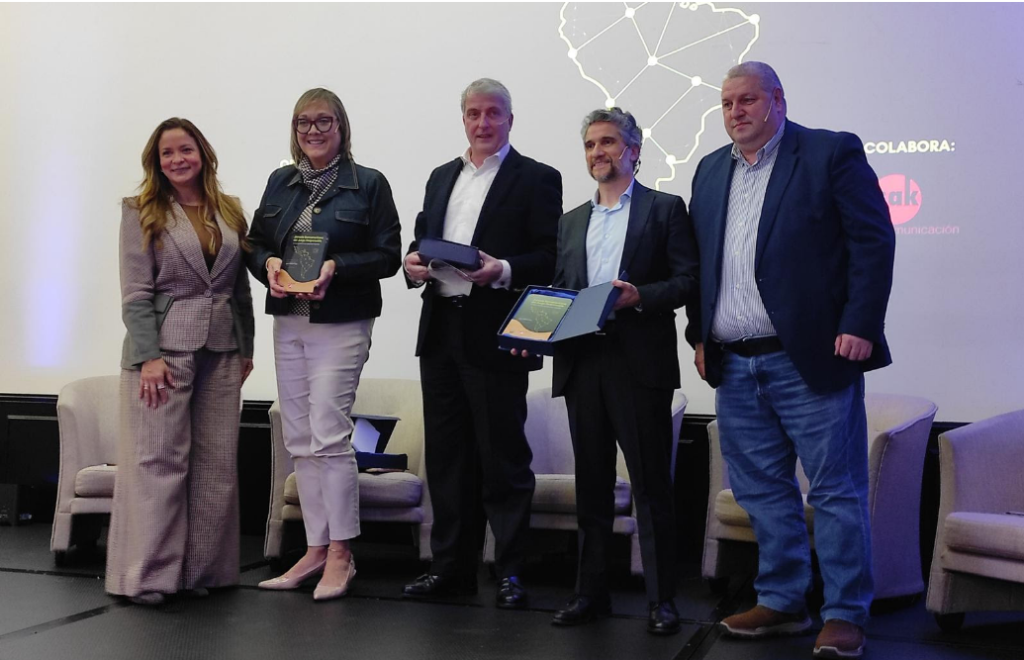
At the 2026 ICE exhibition in Barcelona, FEJAR (the Spanish Federation of Rehabilitated and Aided Compulsive Gamblers) received a donation of €20,000. This contribution went beyond mere financial support, serving as the catalyst for a landmark international initiative focused on “responsible gambling.” According to FEJAR President Gerardo Rodríguez, the initiative is set to deliver long-lasting benefits for player protection efforts across the Ibero-American region.
The funds were provided collectively by 11 leading industry brands: Acordjoc, Betsson Group, BGaming, Cirsa, Flutter, Grupo Orenes, Merkur, Merkur Dosniha, Novomatic, Novomatic Spain, and Zitro. With this backing, FEJAR was able to host the inaugural “Ibero-American Responsible Gambling Conference.”
The conference brought together representatives from gambling regulatory bodies in Spain, Chile, Colombia, Puerto Rico, Brazil, and Portugal, offering a platform to exchange knowledge, compare strategies, discuss challenges, and identify best practices. Rodríguez noted that the event solidified FEJAR’s position as a central hub for expertise in responsible gambling within the Ibero-American region, while also demonstrating the immense value of international cooperation in addressing gambling-related harms. Reflecting on the profound significance of this donation, Gerardo Rodríguez stated: “The impact extends well beyond the funds themselves. The decision by the ‘Sustainable Gambling Zone’ to support our work sends a positive signal, underscoring the importance of investing in knowledge, preventive measures, and dialogue.”
“We believe that initiatives like the ‘Sustainable Gambling Zone’ and the ‘ICE Research Institute’ send a constructive message: there is a growing willingness among various parties to advance research, build an evidence base, and engage in discussions on critical issues that will shape the future of the industry.”
“Gaining a better understanding of risks, evaluating existing measures, and exploring new approaches to prevention and protection requires investment in knowledge. In our view, any effort that fosters independent research, rigorous analysis, and collaboration among stakeholders is to be welcomed. This also reflects a deepening consensus that the sustainable development of the gambling industry must be rooted in shared responsibility and a commitment to supporting those significantly affected by gambling-related issues.”



Comments