
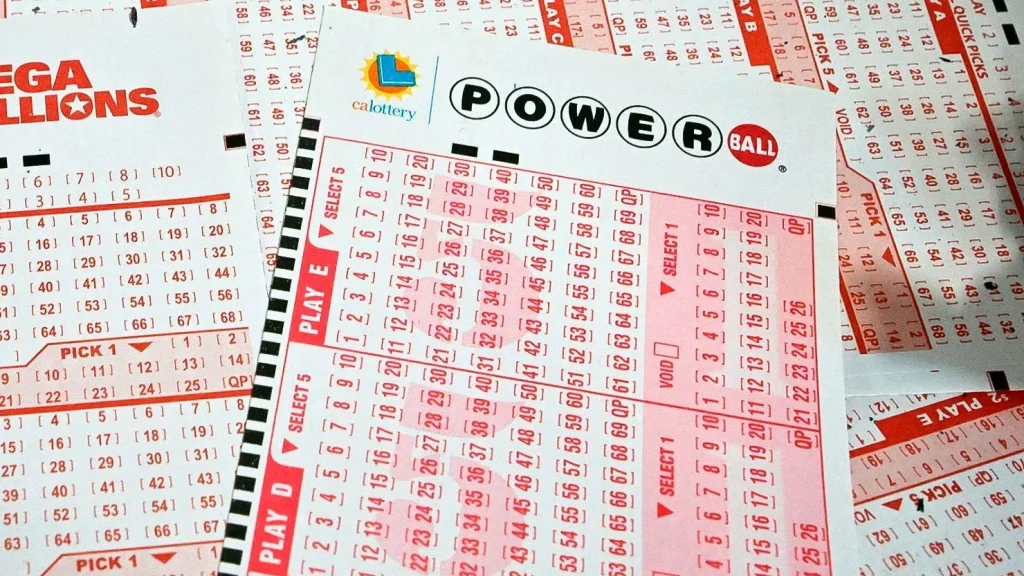
The UK government has proposed a ban on licensed gambling operators in Great Britain offering third-party bets on the outcome of “Powerball” draws, aiming to bring the game into alignment with other “National Lottery” products.
The Department for Digital, Culture, Media and Sport has launched a six-week public consultation regarding the introduction of a new licence condition under Section 78(1) of the Gambling Act 2005. The consultation, which applies across Great Britain, will conclude at 23:59 on Wednesday, 4 November 2026.
On 21 July 2026, Powerball was added to the National Lottery product portfolio, with operator Allwyn UK introducing the game outside the United States for the first time. Prior to this, however, a “small number” of gambling operators had already been offering UK customers the opportunity to place bets on the outcomes of Powerball draws taking place in the United States.
Section 95 of the Gambling Act 2005 prohibits gambling licence holders from offering bets on lotteries that form part of the National Lottery—such as Lotto, EuroMillions, and Thunderball. Because the US-based Powerball draws are not part of the UK’s National Lottery system, this restriction does not currently apply to Powerball.
Operators may continue to offer consumers in Great Britain bets on other lotteries that fall outside the National Lottery system (for example, the Irish Lotto). The proposed licence condition would specifically target Powerball betting, ensuring it is regulated in the same manner as other draw-based National Lottery games. The consultation document states: “To maintain the clear distinction established by Section 95 of the Gambling Act between the ‘National Lottery’ and general gambling activities, and to prevent any potential negative impact on the proceeds generated by the National Lottery for good causes, we propose introducing a licensing condition that prohibits UK operators from offering betting services based on the ‘Powerball’ lottery.”
The UK government argues that allowing third-party betting services to coexist with official channels for participating in “Powerball” could lead to consumer confusion and reduce the funds the National Lottery contributes to good causes. The government cites evidence gathered prior to a 2018 ban on betting on non-UK versions of the “EuroMillions” draw—a case where even industry self-regulation and adherence to Gambling Commission guidance failed to eliminate consumer confusion. The UK National Lottery raises approximately £1.8 billion ($2.38 billion) annually for arts, heritage, sports, and community projects, with about 23% of lottery ticket sales directed toward these causes. Third-party gambling operators are under no obligation—and generally do not—contribute any portion of their lottery-related betting proceeds to such good causes.
Allwyn projects that, over the next five years, “Powerball”-related betting activity could otherwise generate an additional £1 billion ($1.332 billion) for good causes. Under its plans for the fourth National Lottery license, the company aims to increase weekly funding for good causes to £60 million ($79 million) by 2034. Since its inception in 1994, the UK National Lottery has raised more than £53 billion ($70 billion), supporting over 680,000 projects. Under the Gambling Act 2005, the National Lottery is not classified or regulated as “gambling.” The government has openly acknowledged a lack of sufficient, up-to-date evidence to assess how many users might switch to the official national lottery if third-party betting on such lotteries were prohibited. This consultation aims to gather relevant evidence and explore the potential impact such a move could have on the generation of funds for good causes.
The government has also considered other options—such as voluntary action by operators, mandatory contributions from gambling companies to good causes, or a total ban on third-party betting on all types of lotteries—but has concluded that these approaches would either be ineffective or disproportionately extreme.
The consultation also requests that operators provide information on the proportion of their “Gross Gambling Yield” (GGY) derived from “Powerball” betting; the specific measures used to distinguish “third-party betting” from “official participation”; and the estimated costs associated with the transition and user adaptation process.
Furthermore, the government is seeking input from individual users regarding whether they have participated in “Powerball” betting via third-party platforms, the frequency and scale of their wagers, and whether they would shift to official national lottery channels should such third-party betting be banned.
Participants in the consultation must be at least 18 years of age. The government is inviting broad feedback from a wide range of stakeholders, including gambling and lottery operators, lottery players, various organizations, and other interested parties.


Comments